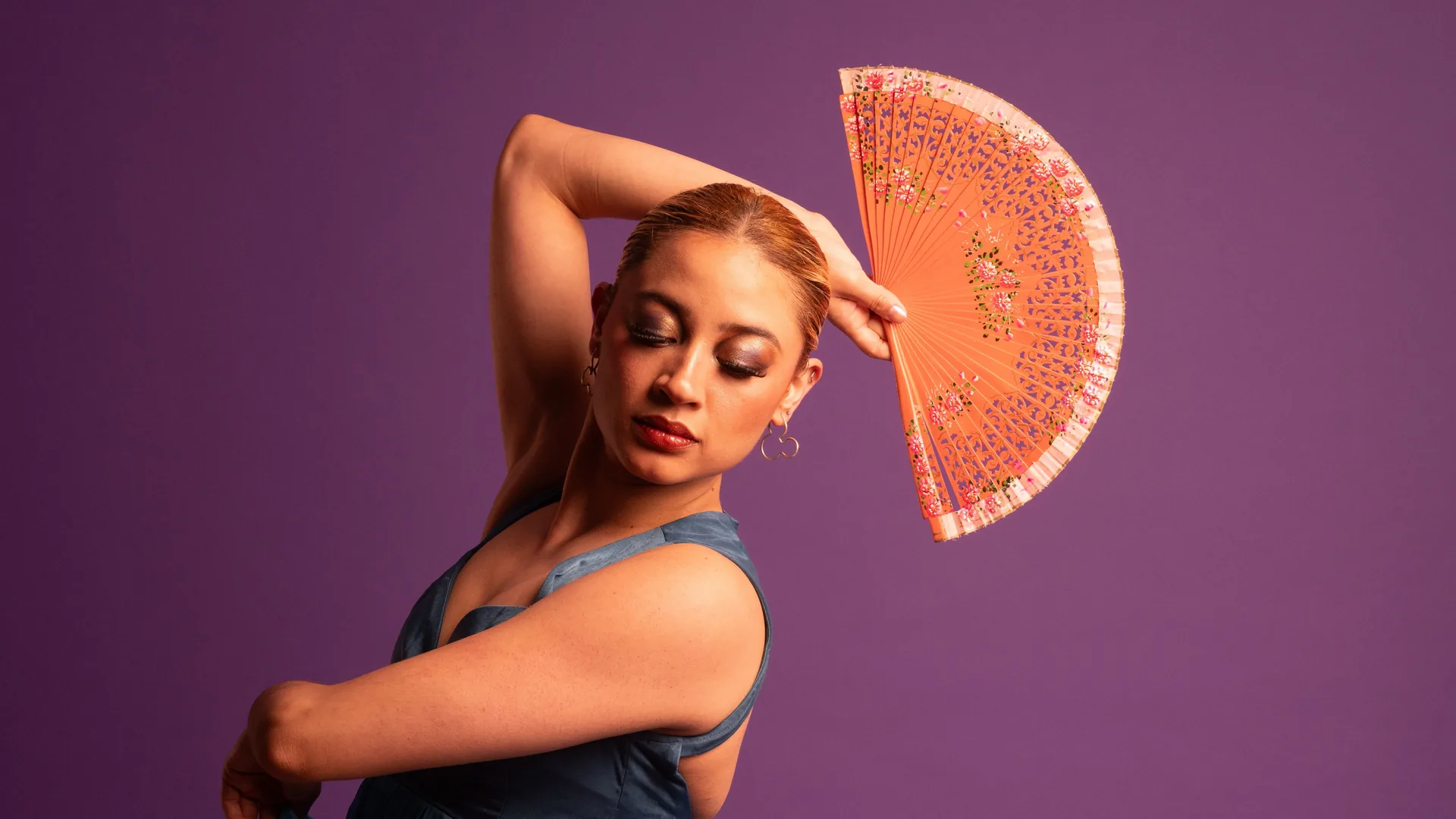
Why El Paraigua
Why El Paraigua
Flamenco a few metres away
Flamenco brings together singing (cante), dance (baile) and guitar (toque) from Andalusia, and it holds UNESCO Intangible Cultural Heritage status.
A modernist landmark with a hidden stage
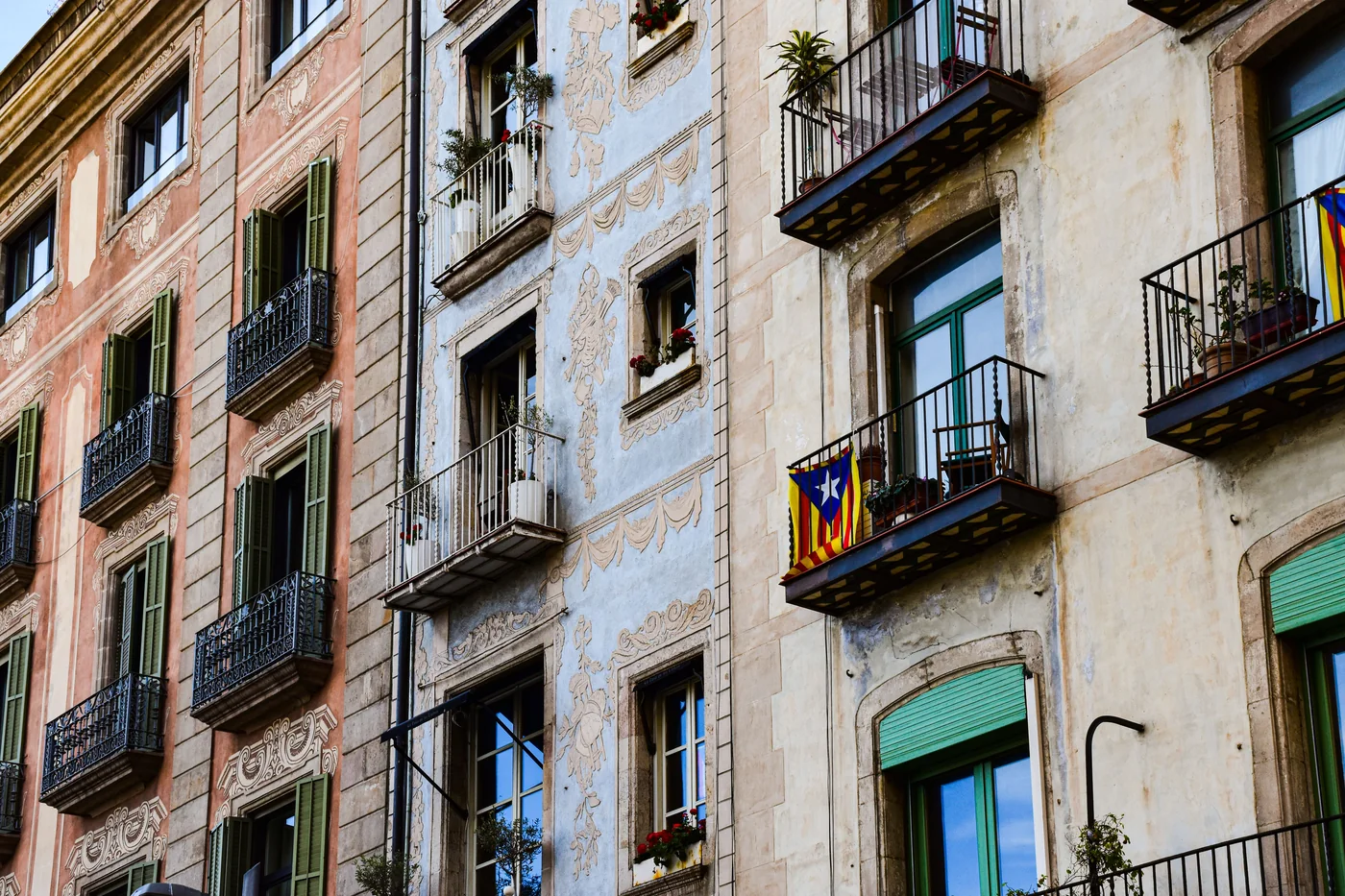
El Paraigua sits in a building that was once a convent, later a fan and umbrella shop, and now has modernist-style decoration. Upstairs, at street level, is a bar for drinks and tapas. Below it is the cellar where the flamenco is performed. The bar sits on top and the show underneath, both inside the medieval streets of the old town.
Intimate, not touristy
There's no big dinner-theatre production here. The cellar takes a small audience, so the performance is what you're there for — a compact cast of singer, dancer and guitarist working an arm's length away. The reviews keep landing on the same handful of words: close, atmospheric, goosebumps. It makes a strong centrepiece for a night in the old town.
The elements of flamenco
The elements of flamenco
There's a lot going on in a flamenco show at the same time. Learn to separate the strands and the whole thing makes more sense — here's what to listen and look for.
- El cante
The song
The bare, aching voice at the centre of it all — the cantaor or cantaora lets grief, love and joy out in a way that can feel almost too direct to sit with. Cante is held to be the soul of flamenco; everything else bends to it, and in a small cellar it fills every corner of the room.
- El baile
The dance
Upright bearing, speaking arms (braceo) and a downpour of drumming feet (zapateado) — the bailaor or bailaora turns feeling into motion, the heels beating the compás down into a floor where you feel each strike land.
- El toque
The guitar
The guitar, or toque, has long gone beyond simply accompanying the singer. The tocaor keeps time, tracks the singer, and drops into falsetas — short solos — when the song leaves him the space.
- El compás
Rhythm & jaleo
Compás is the rhythm that ties the room together — intricate cycles marked by palmas (claps), pitos (snaps) and jaleo, the shouts that egg the dancer on. In a small cellar you feel it as much as hear it.
- Los palos
The styles
Flamenco splits into palos, each carrying its own weight — soleá and seguiriya sit heavy with sorrow, alegrías lift bright and light, and bulería brings a playful fire that often closes the night in a loose, joyful burst.
- El duende
The spirit
When everything lines up, flamenco reaches for duende — the slippery, spine-tingling spirit that lifts a performance from skilful to something more. You can't book it in; a great close-up night is the chase after it, and a small room gives it the best chance of turning up.
The venue & getting there
The venue & getting there
El Paraigua is a cellar under a modernist bar in Barcelona's old town. This section covers what the room is actually like and how to find the door.
A jewel-box modernist bar
Upstairs is a small bar at street level with modernist-style decoration, where you can have a drink or tapas. It's worth arriving with time for one, since it sets the tone before you go down to the show.
The vaulted cellar stage
The flamenco is downstairs, in a vaulted stone cellar with a small stage and seats set close together. Nearly every seat is near the performers, and that nearness is really the whole point — you feel the footwork and see the small changes in expression. Come a little early to get settled.
Deep in the Barri Gòtic
El Paraigua sits well inside the Gothic Quarter, the medieval old town of narrow lanes and tucked-away squares. Plaça Sant Jaume, the Cathedral and Las Ramblas are all a short walk off. It's a good part of the city to wander through on the way in or out.
Getting there
If you're staying further away, a taxi to the old town's edge followed by a short walk through the lanes gets you there.
Flamenco & Barcelona, in pictures
Flamenco & Barcelona, in pictures
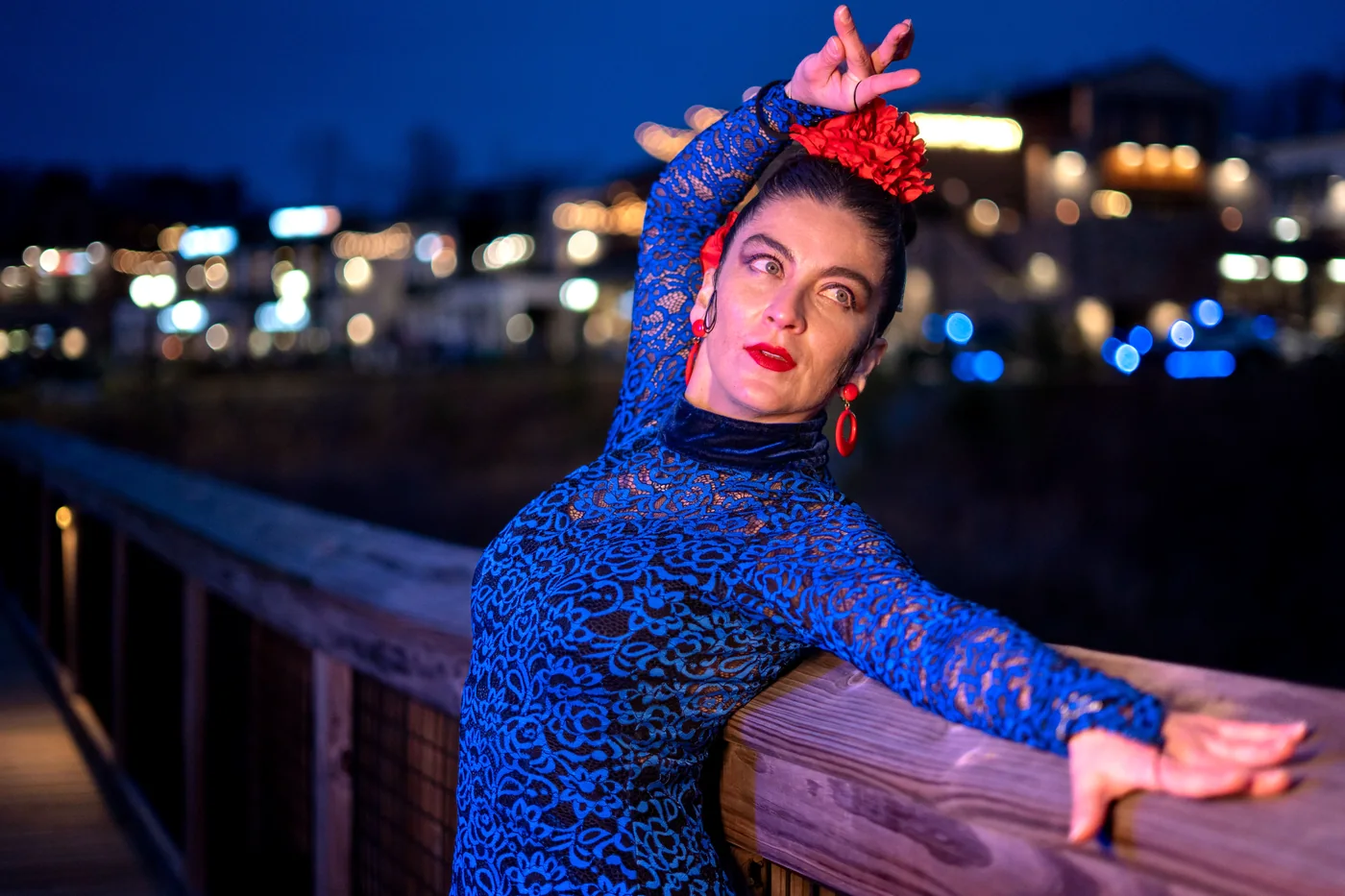
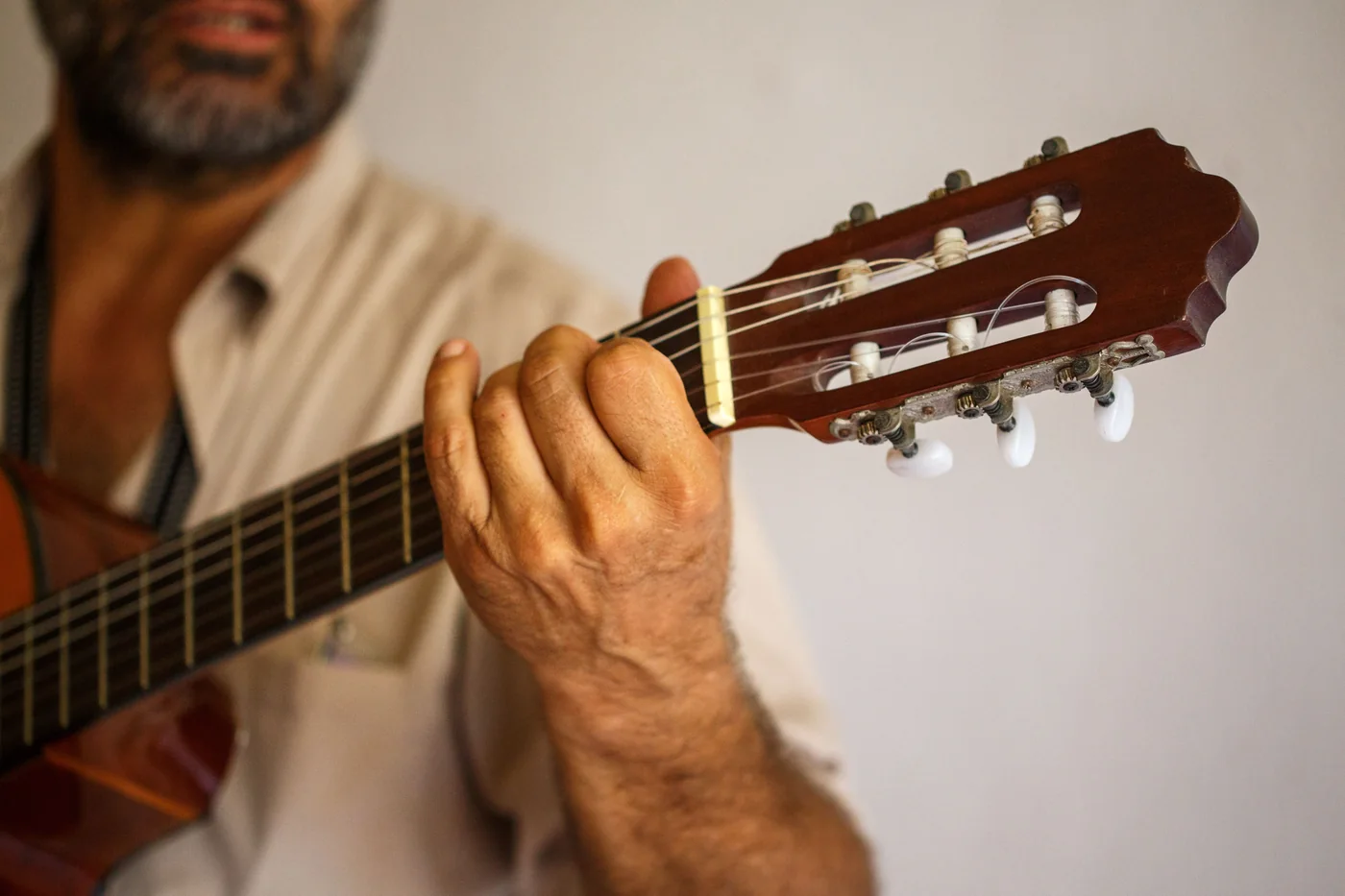
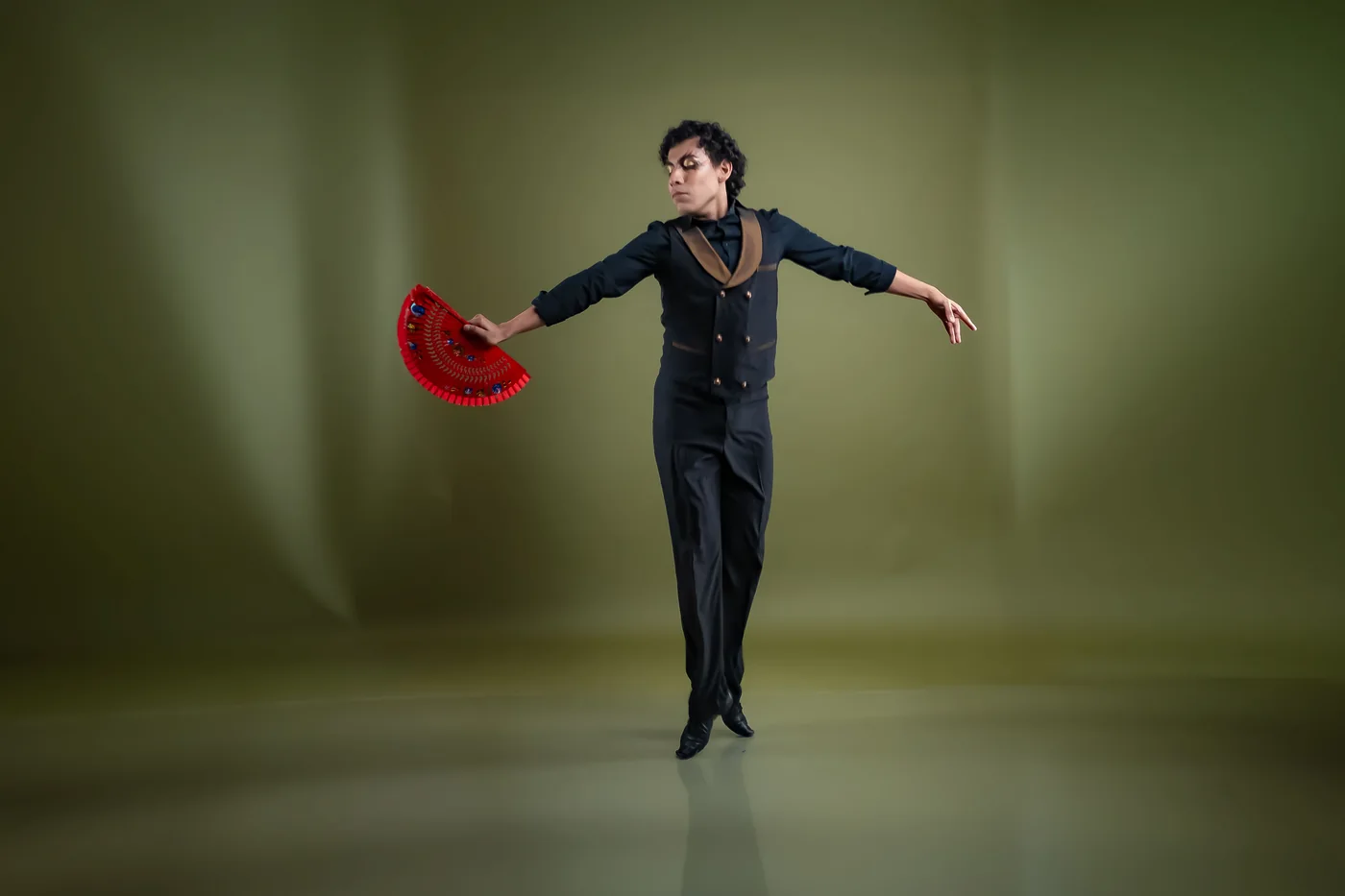
Flamenco performance and the old Barcelona around El Paraigua to set the scene for your evening.
Tickets & what's included
Tickets & what's included
| Option | What it includes | Good to know |
|---|---|---|
| Show ticket | A seat for the flamenco show in the cellar, usually with a drink | The standard choice — the show and nothing bolted onto it |
| Showtimes | The 50-minute show runs each evening | The booking calendar shows the time for your date |
| Seating | Seats set close together, most of them near the stage | Your confirmation says when to arrive |
| Good to know | The listing allows free cancellation | A very small room, so book ahead in the busy months |
Ways to book the El Paraigua show
Find an El Paraigua showtime for your trip
Each option below secures a seat in El Paraigua's vaulted cellar. GetYourGuide handles the booking, shows what's still open for your date, and totals the cost in your currency before checkout.
Planning your evening
Planning your evening
Pick your showtime
The show runs each evening and lasts about 50 minutes, which leaves room for tapas before or after. The booking calendar shows the time for your date, and your confirmation repeats it.
Where to sit
The room is so small there's no bad seat — but the front row puts you right at the performers' feet, near enough to feel the zapateado. Your confirmation tells you when to arrive.
Make an evening of the Gothic Quarter
El Paraigua is in the Barri Gòtic, a short walk from Plaça Sant Jaume, the Cathedral and Las Ramblas, so it's easy to build a night around it: tapas and a vermouth in the old lanes, a slow look at the medieval facades, then the show. Few corners of Barcelona are better after dark.
Good to know
This is a flamenco show, not a big dinner spectacle — expect something intense and close, often with a drink in hand. You don't need any Spanish; the singing, the movement and the rhythm carry it. Rules on photos change from night to night, so go by whatever the room asks on the evening.
Booking flexibility
Booked through GetYourGuide, this show has free cancellation up to 24 hours before showtime and lets you hold your seat now and pay later — handy while the rest of your Barcelona nights are still up in the air.
Planning a flamenco night in Barcelona
Planning a flamenco night in Barcelona
Flamenco at El Paraigua: showtimes, seats and a Gothic Quarter evening
When the shows run, where to sit in a cellar this small, and how an evening at El Paraigua fits into the old town.
Read more → FLAMENCO FOR FIRST-TIMERSWhat to Expect at a Flamenco Show
First flamenco show? Here's what's happening between the singer, dancer and guitar in a small Barcelona cellar, and why it lands so hard.
Read more → CHOOSING A BARCELONA FLAMENCO SHOWEl Paraigua vs Barcelona's Other Flamenco Venues
A level-headed look at the ways Barcelona puts on flamenco — small rooms like El Paraigua, long-running tablaos and bigger theatre shows — so you can choose the right night.
Read more → Practical guideEl Paraigua Barcelona: visit guide
How to find El Paraigua, what the bar and cellar are, how long the show runs, what to wear and what you will see and hear.
Read more → Which show to bookFlamenco in Barcelona: how to choose
Small cellar, dinner show or bar: how Barcelona's flamenco options differ, what the El Paraigua ticket includes, and who it suits.
Read more → BEFORE YOU GOFlamenco Etiquette, Timing and Tips
The etiquette of a small Barcelona cellar show: timing, what to wear, when to keep your hands still, whether photos are okay, and finding the place.
Read more →GEO/FAQ
El Paraigua flamenco questions
What exactly is El Paraigua?
El Paraigua is a bar in the Gothic Quarter, in a building that was once a convent, with modernist-style decoration and a stone cellar underneath. It's in that cellar where the flamenco unfolds — singer, dancer and guitarist working just a few metres from the audience.
How long does it run, and will I follow it without Spanish?
The show runs about 50 minutes. You won't need Spanish, or English for that matter — flamenco gets across through the voice, the guitar, the footwork and the rhythm. It's an intense, emotional thing rather than a story you follow.
Which part of the venue is the show in?
It's held downstairs, in El Paraigua's cellar — a vaulted stone room with a small stage and seats set close together, not up in the ground-floor bar. The enclosed space and the small audience are exactly what make it feel so close.
Is a meal included, or is it just the show?
This is a flamenco show rather than a full dinner-and-theatre evening, and the options tend to come with a drink rather than a meal. Check what your particular ticket covers when you book, then have tapas in the Gothic Quarter before or after — the old lanes are full of good places.
Where should I sit, and when should I get there?
The cellar is small, so every seat is close to begin with; the front rows put you right at the performers' feet. Your confirmation says when to arrive. Your showtime itself is set when you book.
How do I actually get to El Paraigua?
El Paraigua is in the Barri Gòtic, Barcelona's medieval old town, a short walk from Plaça Sant Jaume, the Cathedral and Las Ramblas. Liceu and Jaume I are the nearest metro stops. The area is mostly pedestrian, so you'll walk the last few narrow lanes whatever you do.
Is it a good night out for kids?
It can work well for older kids who're able to engage with rhythm and drama. The show is listed as not suitable for children under 4.
Anything else worth knowing before I book?
Yes — it's a small cellar with only a few shows a night, so seats go during busy months; booking early helps. Booked through GetYourGuide, the show has free cancellation up to 24 hours before and lets you reserve now and pay later.